GEOTECHNICAL ENGINEERING
PORTLAOISE

Geotechnical Engineering in Portlaoise

Practical geotechnics, field-tested.

LEARN MORE

The heavy, moisture-retaining soils of Ireland's Midlands present a distinct challenge for anyone building in Portlaoise. Years of working with the local glacial tills and weathered limestone have shown us that assuming uniform bearing capacity is a costly mistake. A soil mechanics study here must account for the town's position on the watershed between the Barrow and Nore catchments, where water tables can shift dramatically between winter and summer. Our process involves extracting undisturbed samples, quantifying consolidation potential, and delivering parameters you can use directly in your structural calculations. We often integrate the field data with a CPT test to profile continuous stratigraphy in areas where the till thickness varies unpredictably.

Portlaoise soils demand a careful look at seasonal saturation: what tests well in August can behave very differently after a wet January.
Geotechnical Engineering in Portlaoise
Technical reference — Portlaoise

Our service areas

Local geology

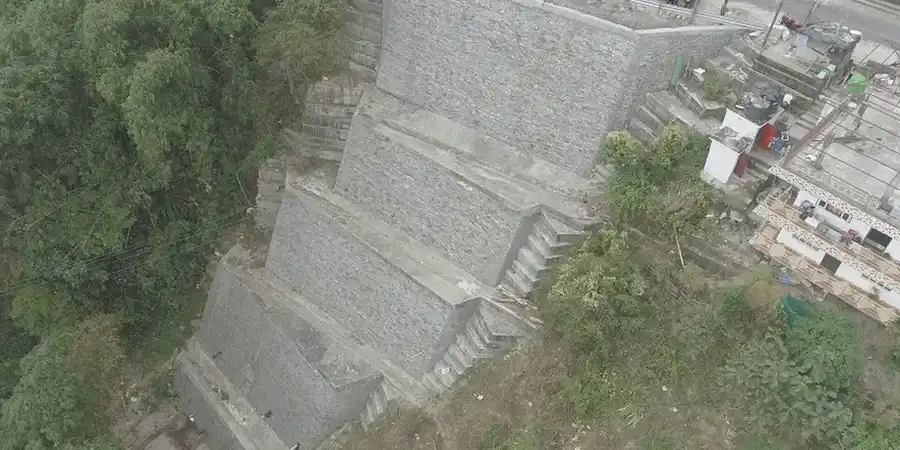
Portlaoise's growth from a garrison town at the historic Fort Protector into a bustling commuter hub for Dublin has placed new demands on its underlying geology. The town sits largely on Dinantian limestone covered by glacial deposits, and our geotechnical work frequently encounters pockets of soft, compressible clay within the till matrix. The soil mechanics study becomes the foundation document: it defines the effective stress parameters and predicts settlement under load. When projects involve deeper excavations near the Triogue River, we also recommend supplementary analysis of slope stability to ensure temporary works remain safe during the wetter months.

Regulatory framework

I.S. EN 1997-1:2004 (Eurocode 7: Geotechnical design), I.S. EN 1997-2:2007 (Ground investigation and testing), I.S. EN 17892 series (Laboratory testing of soil), National Annex to I.S. EN 1997-1, I.S. EN 206 (Concrete – specification, performance, production and conformity)

Need a geotechnical assessment?

Reply within 24h.

Email: contact@geotechnical-engineering.co

Explanatory video

Why choose us

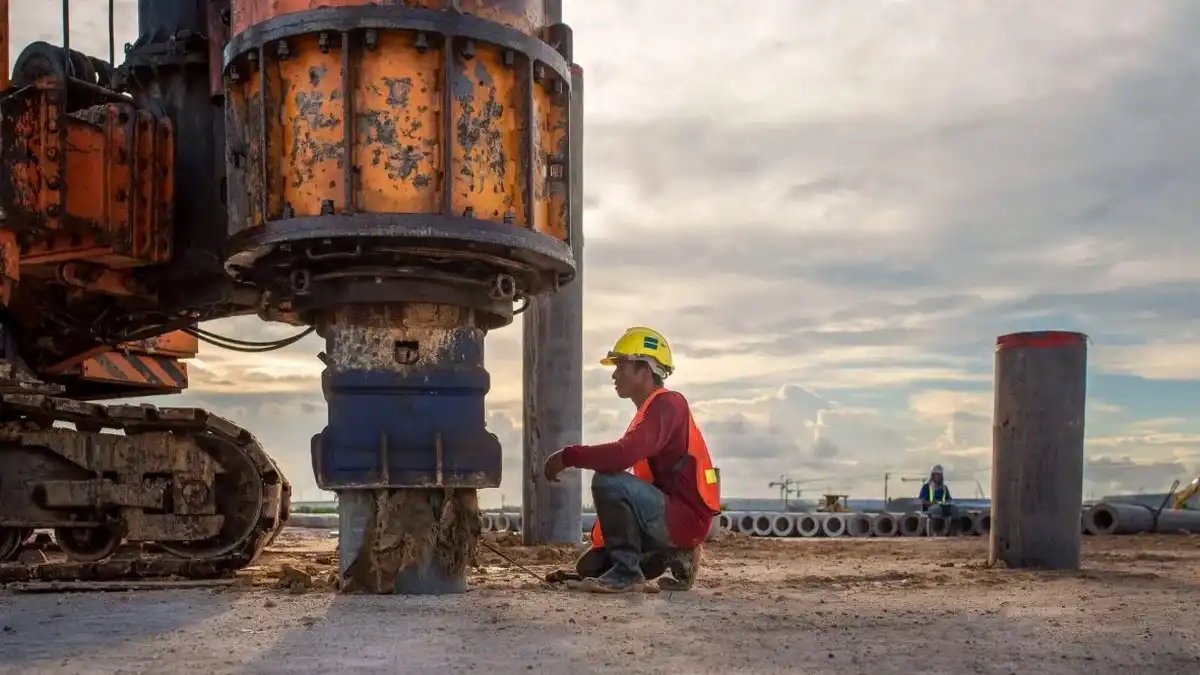
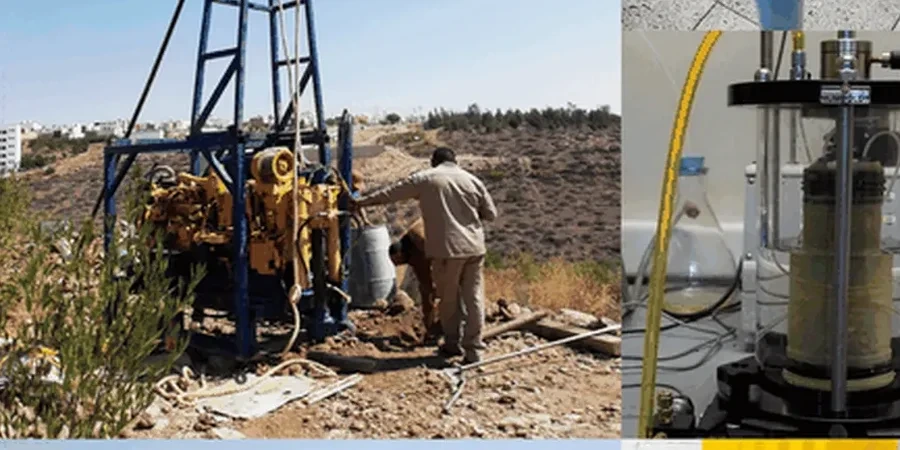
Our site teams in Portlaoise use a tracked window sampler rig for most projects; its low ground pressure prevents disturbance on the soft lawns and fields common outside the town centre. The rig drives thin-walled sample tubes to retrieve the intact soil structure needed for accurate oedometer and triaxial testing. Skipping a full soil mechanics study and relying solely on presumed bearing values from the National Annex invites two problems: differential settlement in the variable till and sulphate attack on buried concrete, which we have observed in older structures along the Mountmellick Road. The cost of excavation and underpinning later always outweighs the upfront investigation.

Technical data

ParameterTypical value
Sampling methodUndisturbed Shelby tubes, rotary core in rock
Key soil types analysedGlacial till, alluvium, weathered limestone bedrock
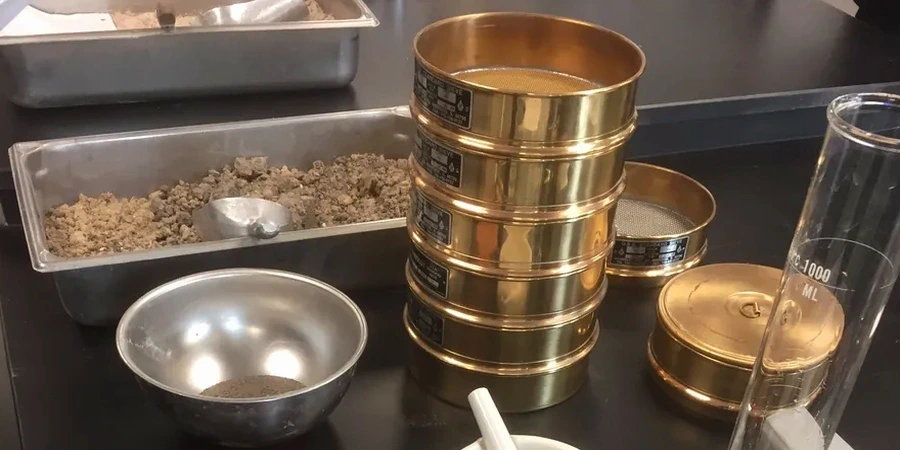
Consolidation testingOedometer per I.S. EN 17892-5
Shear strength determinationTriaxial (CIU, CAU) per I.S. EN 17892-8
Chemical testingpH, sulphate content for concrete class selection
Reporting standardEurocode 7 – I.S. EN 1997-2
Typical report turnaround12-15 working days from final sample

Common questions

How long does a soil mechanics study take in Portlaoise?

From the day our rig arrives on site, you can expect a full report in 12 to 15 working days. The timeline depends on how many samples need consolidation testing, which can run for up to ten days per specimen to capture the primary settlement curve of the local till.

What is the typical cost of a soil mechanics study for a single house in Portlaoise?

For a single residential dwelling, the cost usually falls between €2,440 and €5,020 depending on the number of boreholes and the range of tests required. A site with deep glacial deposits needing triaxial tests will be at the higher end of that range.

Why is sulphate testing important for a Portlaoise site?

The glacial till in the Midlands can contain pyrite and gypsum, which produce sulphate ions in groundwater. We test to I.S. EN 206 to assign the correct concrete exposure class. Getting this wrong leads to ettringite formation and gradual concrete decay, an issue we have seen in several local commercial buildings.

Can you work on sites with limited access, like a garden plot between terraced houses?

Yes. Our tracked window sampling rig is only 780 mm wide and can pass through a standard side gate. We use it regularly on infill sites in Portlaoise's older residential streets, where access for a conventional drilling rig would be impossible.

Location and service area

We serve projects in Portlaoise and surrounding areas.

View larger map