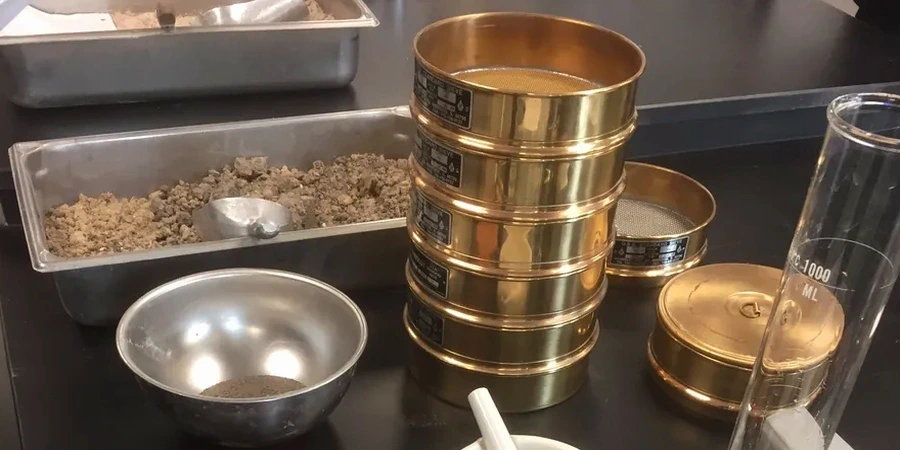
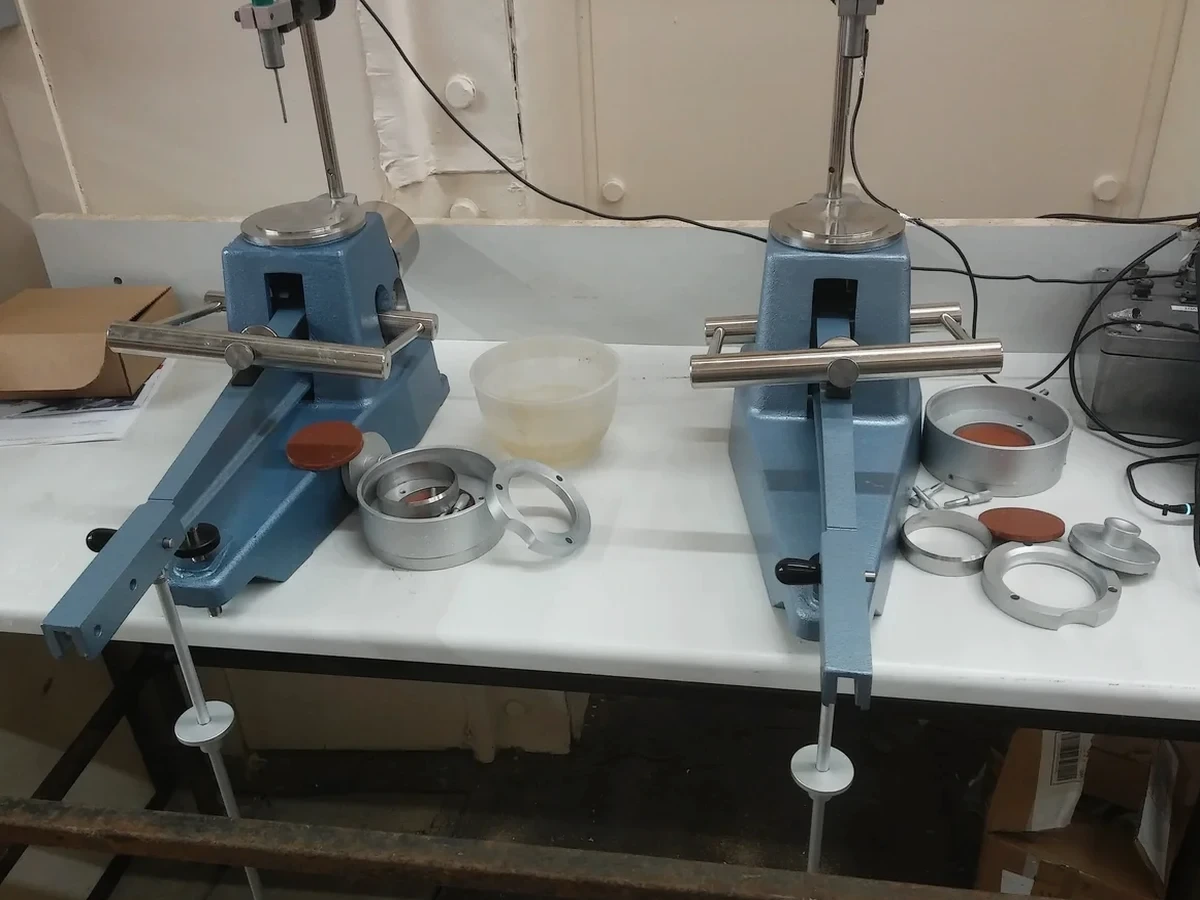
The fine-grained soils across Laois demand a clear picture of plasticity before any cut or fill operation begins. Under IS EN ISO 17892-12, Atterberg limits testing gives you the liquid limit, plastic limit, and plasticity index — numbers that define how a soil will behave when it gets wet. In Portlaoise, where the Triassic sandstone is often mantled with glacial till full of silt lenses and pockets of lacustrine clay, guessing the consistency can stop a site dead. We run these tests in our ISO 17025 accredited lab because the margin between a workable platform and a boggy mess is thin. The results feed straight into the ground investigation report, letting the design team classify the material confidently. For deeper profiling, we often pair the Atterberg limits with grain size analysis to separate the silt fraction from the true clay, and when the plasticity index points toward a reactive soil, a look at slope stability becomes essential for any permanent cut near the M7 corridor.
Atterberg limits convert the feel of a sticky Portlaoise clay into a number the structural engineer can use — no guesswork, just repeatable data.