The sight of a total station set up on a tripod outside a Portlaoise town centre site, checking prism targets fixed to a steel sheet pile wall every two hours, is the first thing a visitor notices. That robotic instrument feeds coordinates into a laptop running monitoring software, comparing each reading against pre-set trigger levels tied to the shoring design. In the Triassic sandstone and dense glacial till that underlie much of the Laois county town, the ground can be deceptively stiff until water from the River Triogue or leaking works softens the interface between weathered rock and overburden.
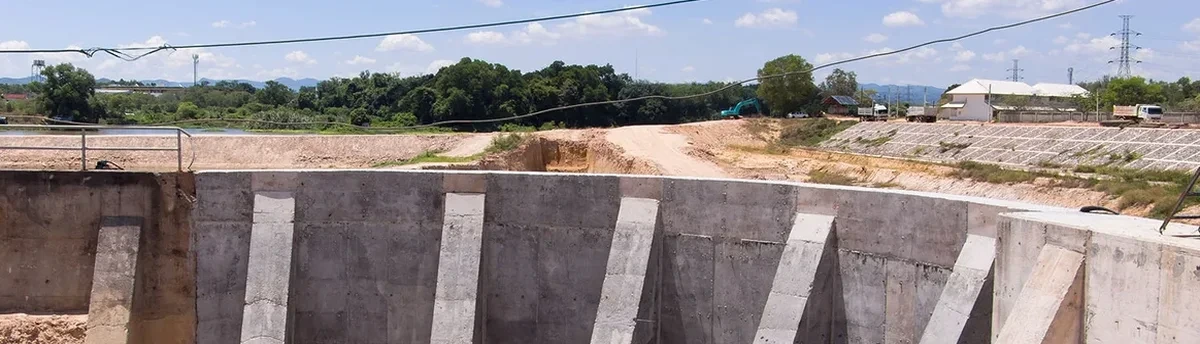
We deploy a combination of manual and automated systems: shape accelerometer arrays inside inclinometer casing to detect lateral movement at depth, vibrating wire piezometers to track pore water pressure changes during dewatering, and surface settlement points referenced to a stable benchmark on the N80. For projects close to the historic courthouse or the railway line, integrating the deep excavation monitoring protocol with a real-time alert threshold ensures the contractor can react before movement reaches the serviceability limit state required under Eurocode 7 and the local planning conditions set by Laois County Council.
In Portlaoise glacial till, the switch from stiff overconsolidated clay to weathered sandstone can shift the failure mechanism from a wedge to a block slide; instrumentation must capture both modes.